
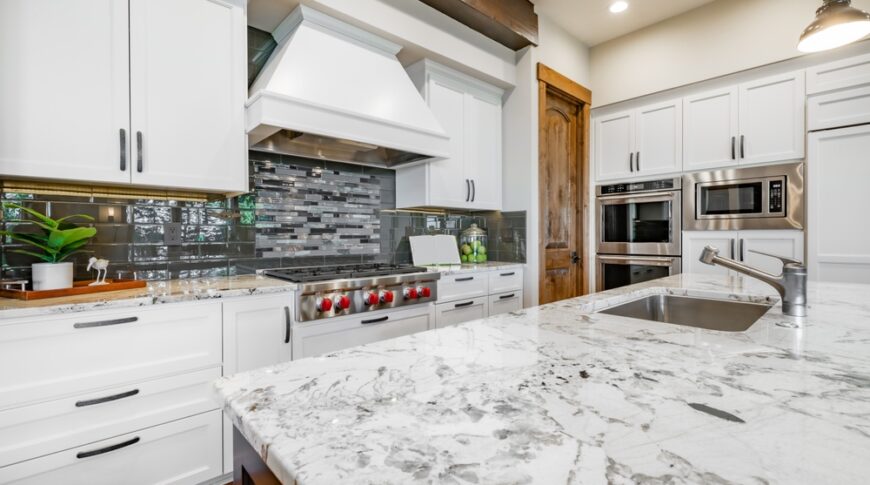
Countertops are one of the most significant investments in any kitchen or bathroom remodel. Beyond aesthetics, homeowners and designers alike often prioritize durability. A countertop should not only enhance the beauty of a space but also withstand the demands of daily use. Among the most popular materials available today, granite, quartz, and marble consistently top the list for residential applications. Each offers distinct advantages and limitations, particularly when it comes to longevity and resilience.
In this blog, we will compare the durability of granite, quartz, and marble countertops, examining how each material responds to wear, heat, stains, and other stressors. By the end, you will gain clarity on which surface may be the best choice for your lifestyle if you are searching for the most durable countertops for your East Valley home.
The Natural Strength of Granite Countertops
Granite has long been celebrated as one of the most durable countertop materials used in residential settings. As a natural stone formed under immense heat and pressure, granite naturally resists scratches, chips, and cracks. Its density gives it an advantage over softer natural stones like marble, making it a popular option for busy kitchens where knives, pots, and pans are frequently used.
Heat resistance is another hallmark of granite. Because it forms deep within the Earth’s crust under extreme temperatures, granite can withstand hot cookware placed directly on its surface. However, while granite is durable, it is not without limitations. Dropping a heavy object on an edge can cause chipping, and acidic substances may lead to etching if the surface is not properly sealed.
Sealing is essential to granite’s long term durability. Granite is porous, which means it can absorb liquids and potentially harbor bacteria if left unprotected. This characteristic makes natural stone surfaces unsuitable for commercial food preparation environments where strict sanitation standards are required. In residential kitchens, modern sealers significantly reduce staining risks and help protect against moisture absorption. With proper care and periodic resealing, granite countertops can last for decades.
Engineered Excellence: The Durability of Quartz Countertops
Unlike granite and marble, quartz countertops are engineered rather than quarried directly from the earth. They are made from natural quartz crystals combined with resins and pigments. This manufacturing process creates a non porous surface, making quartz one of the most durable and hygienic countertop options available.
Because quartz is non porous, it does not require sealing and does not absorb liquids, which greatly reduces the risk of staining and bacterial buildup. This makes quartz a preferred choice not only for residential kitchens but also for commercial food preparation areas, where materials such as quartz, solid surface, sintered stone, and porcelain are recommended due to their sanitary properties.
Quartz also resists scratches and chips exceptionally well. The resin content provides slight flexibility, reducing the risk of cracking from impact. One consideration with quartz is heat resistance. While durable, quartz can be damaged by excessive heat, as the resins used in manufacturing are sensitive to high temperatures. Using trivets or hot pads is recommended to preserve the surface.
Another benefit of quartz is visual consistency. Engineered production allows for uniform color and pattern, which appeals to homeowners seeking a clean, modern aesthetic. When durability is defined by stain resistance, low maintenance, and hygiene, quartz stands out as one of the most durable countertop materials available.
The Classic Beauty and Challenges of Marble Countertops
Marble is prized for its timeless elegance and distinctive veining, but it is less durable than granite and quartz. As a softer natural stone, marble is more susceptible to scratches, chips, and etching caused by acidic substances such as citrus juice or vinegar. This sensitivity makes marble less suitable for high use kitchens.
Marble handles heat well and can tolerate hot cookware, but its porous structure makes it vulnerable to staining and moisture absorption. Even when sealed, marble can discolor over time and may trap bacteria, which is why it is not recommended for commercial food preparation environments. Frequent maintenance and immediate spill cleanup are essential to preserving its appearance.
Despite these challenges, marble remains a popular choice for bathrooms, baking stations, and decorative applications where aesthetics are prioritized over durability. While it does not rank among the most durable countertop materials, its visual appeal continues to attract homeowners willing to invest in upkeep.
Comparing Durability: Granite vs. Quartz vs. Marble
When comparing granite, quartz, and marble, durability depends on how the space is used. Granite offers natural strength and heat resistance but requires sealing and careful maintenance. Quartz provides superior stain resistance, hygiene, and low maintenance, making it suitable for both residential and commercial environments. Marble delivers unmatched beauty but requires the most care and is the least durable of the three.
For homeowners seeking the most durable countertops overall, granite and quartz remain the top choices. Granite appeals to those who appreciate natural stone, while quartz is ideal for those who prioritize cleanliness, consistency, and ease of maintenance. Marble fills a more specialized role focused on design rather than performance.
Choosing the Most Durable Countertops
Durability is a critical factor when investing in countertops, but it should always be balanced with lifestyle, design preferences, and maintenance expectations. Granite offers long lasting strength and heat resistance for residential kitchens. Quartz delivers engineered durability, non porous performance, and minimal upkeep, making it one of the most durable countertop choices available today. Marble, while less durable, continues to attract homeowners drawn to its classic elegance.
For homeowners in the East Valley, selecting the right countertop material means considering how the space will be used and how much maintenance you are willing to perform. Understanding the strengths and limitations of each option ensures your countertops will remain both functional and beautiful for years to come.
Need a Countertop Contractor Near You?
Ready to elevate your space with stunning, expertly crafted surfaces? From kitchens and bathrooms to outdoor living spaces and commercial projects, we proudly serve Mesa, AZ and the greater Maricopa County area with premium materials like quartz, marble, porcelain, and more, all while offering special discounts for seniors, veterans, and first responders. Contact us today, and let us create a seamless, stress-free experience that transforms your space into something truly exceptional.