
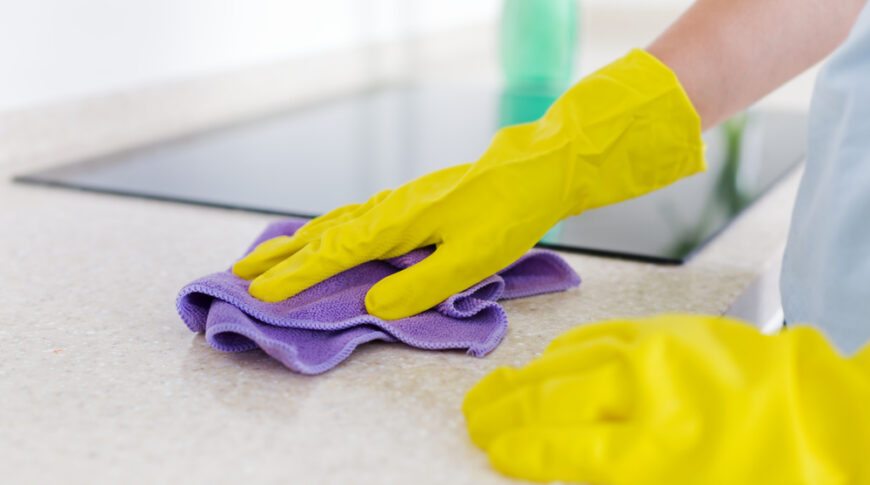
Granite countertops are one of the most popular choices for homeowners because of their durability, elegance, and timeless beauty. They bring a luxurious, polished look to kitchens and bathrooms, while also offering strength that can last decades with the right care. Yet, despite granite’s tough surface, the wrong cleaning methods can dull its shine, cause etching, or even weaken the sealant protecting the stone. That’s where the ongoing debate comes in: should you use natural cleaners or chemical cleaners on granite countertops?
Choosing the best way to clean granite countertops can feel overwhelming because there is so much conflicting advice. On one hand, natural cleaners sound safer, especially for households that prioritize eco-friendly products or want to avoid harsh chemicals. On the other, commercial granite-specific cleaners promise to cut through grime efficiently and leave behind a streak-free shine. To decide what works best, it’s important to understand both sides of the argument and weigh them against the unique needs of granite surfaces.
Understanding Granite’s Unique Surface
Before diving into the cleaner debate, it’s essential to understand why granite countertops require specific care. Granite is a natural stone made up of minerals like quartz, feldspar, and mica, each contributing to its durability and striking patterns. Although granite is harder than many other countertop materials, it is also porous. That porosity means spills, especially acidic ones like lemon juice or wine, can seep into the surface if the protective sealant wears down.
Granite countertops typically come sealed when installed, but the sealant requires maintenance. A strong seal acts like an invisible shield, preventing staining and making daily cleaning much easier. However, using the wrong products can erode that seal faster, leaving your countertop more vulnerable. For example, abrasive cleaners and acidic substances like vinegar can etch the stone or create small pits that accumulate dirt over time.
Because of this, homeowners are advised to use mild, pH-balanced cleaners that remove grime without damaging the surface. This is why so much discussion surrounds whether natural homemade cleaners or store-bought chemical ones are the best way to clean granite countertops. The choice isn’t always straightforward and depends on how each type interacts with both the stone and the sealant.
The Case for Natural Cleaners
Natural cleaners appeal to those who want to avoid synthetic chemicals in their homes. The most common homemade granite cleaner is a mixture of warm water and mild dish soap, which is gentle enough for daily use and safe for sealed granite. Many people ask, can soaps be used for countertops? The answer is yes, when used properly. A few drops of a mild, non-abrasive soap diluted in water can effectively clean away grease and spills without harming the granite.
Another popular natural option is rubbing alcohol diluted with water. Alcohol-based solutions are particularly effective because they not only clean but also disinfect, making them a good choice for kitchen countertops where food is prepared. The key is to keep the concentration low, usually around a 50/50 mix with water, so it doesn’t strip away the sealant.
One of the biggest benefits of natural cleaners is peace of mind. They’re often inexpensive, easy to make at home, and free from harsh chemicals that might irritate sensitive skin or contribute to indoor air pollution. Families with young children or pets often feel more comfortable relying on natural solutions since they minimize chemical exposure.
However, natural cleaners aren’t perfect. They may require more frequent wiping and scrubbing to remove stubborn grease or dried-on spills. Some natural substances, like vinegar, citrus juice, or baking soda, should be avoided altogether because they’re too acidic or abrasive for granite. This highlights the importance of carefully selecting which natural options are truly granite-safe.
The Case for Chemical Cleaners
Chemical cleaners, particularly those designed specifically for granite and other natural stones, offer convenience and targeted performance. These products are formulated to be pH-balanced and safe for sealed stone surfaces, which sets them apart from all-purpose cleaners that may be too acidic or alkaline.
Granite-specific cleaners often include ingredients that not only clean but also help maintain the shine of the countertop. Many contain small amounts of conditioning agents that enhance the luster without leaving streaks or residues. For busy households, these products save time since they can handle greasy spills, fingerprints, and food stains more effectively than diluted soap and water.
Another advantage of chemical cleaners is their added protection. Some formulas claim to strengthen or refresh the sealant with regular use, providing an extra barrier against staining. While the effectiveness of these claims varies by product, using a cleaner made for granite ensures you’re not accidentally damaging the surface.
The downside of chemical cleaners is that not all products are created equal. Some commercial cleaners labeled as “multi-surface” may still contain bleach, ammonia, or other harsh agents that can degrade granite over time. Cost can also be a factor since high-quality granite-specific cleaners tend to be pricier than simple homemade solutions. For eco-conscious homeowners, the presence of synthetic chemicals may also raise concerns about sustainability and indoor air quality.
Comparing Natural and Chemical Options
When comparing natural versus chemical cleaners for granite, the decision boils down to priorities and lifestyle. Natural cleaners are safe, affordable, and effective for everyday maintenance. Soap and water, when used correctly, will cover most daily cleaning needs without harming the countertop. Alcohol-based natural solutions can step in when disinfection is necessary, making them versatile.
Chemical cleaners, meanwhile, provide efficiency and polish. They’re especially useful for high-traffic kitchens where spills are frequent and speed matters. These products also reduce the guesswork since they’re formulated specifically for granite, minimizing the risk of using something harmful.
A balanced approach often works best. Many homeowners use natural cleaners for daily maintenance and reserve granite-specific chemical cleaners for weekly deep cleaning or when tougher messes occur. This way, they get the benefits of safety and eco-friendliness without sacrificing the polished finish that chemical cleaners can deliver.
Ultimately, the best way to clean granite countertops is not about choosing sides but understanding when to use each type of cleaner. Consistency is key; cleaning spills quickly, avoiding harmful substances like vinegar or bleach, and resealing the granite regularly will keep countertops looking new regardless of whether you favor natural or chemical solutions.
Long-Term Maintenance and Best Practices
Beyond choosing cleaners, long-term granite care involves a few consistent practices that protect both the stone and its sealant. Always use soft cloths or sponges instead of abrasive scrubbers that can scratch the surface. Blot spills instead of wiping them to prevent spreading acidic liquids across a larger area. For greasy messes, a mild soap solution is usually enough, but a granite-specific cleaner can make the process faster and leave fewer streaks.
Resealing granite every one to two years is another crucial step. Even the best cleaner won’t help if the sealant has worn away, leaving the porous stone exposed. To test whether resealing is needed, sprinkle a few drops of water on the countertop. If the water beads up, the sealant is intact; if it absorbs into the stone, it’s time to reseal.
While debating natural versus chemical cleaners, it’s worth remembering that even the safest cleaning method won’t make up for neglecting the sealant. Regular maintenance combined with smart cleaning choices ensures granite countertops remain both functional and beautiful for decades.
Conclusion
Granite countertops deserve special attention because they combine natural beauty with lasting durability, but only if cared for properly. The debate between natural and chemical cleaners often comes down to preference, but both have their place in maintaining granite surfaces. Natural cleaners like mild soap and water or diluted alcohol provide safe, affordable, and effective options for daily cleaning. Chemical cleaners, especially those made for granite, offer convenience and enhanced shine, making them ideal for deeper cleaning or busy kitchens.
The best way to clean granite countertops is to balance both approaches while following key maintenance practices. Avoid harsh substances like vinegar or bleach, clean up spills promptly, and reseal regularly to protect the stone’s surface. For most households, using a mix of natural solutions for everyday upkeep and chemical granite cleaners for occasional deep cleans will provide the best results.
By understanding the unique needs of granite and choosing the right cleaners, homeowners can enjoy countertops that remain as stunning and resilient as the day they were installed. The choice isn’t about natural versus chemical; it’s about knowing when each option shines.
Need a Countertop Contractor Near You?
Ready to elevate your space with stunning, expertly crafted surfaces? From kitchens and bathrooms to outdoor living spaces and commercial projects, we proudly serve Mesa, AZ and the greater Maricopa County area with premium materials like quartz, marble, porcelain, and more, all while offering special discounts for seniors, veterans, and first responders. Contact us today, and let us create a seamless, stress-free experience that transforms your space into something truly exceptional.